



Head-to-Head: 2026 Ford Ranger vs 2026 Toyota Tacoma
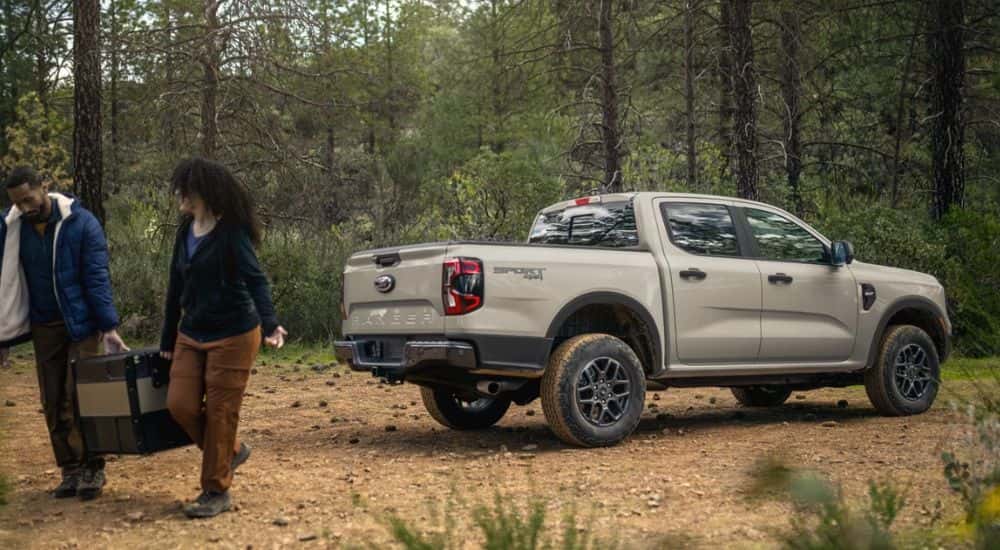
If you are looking at the midsize truck market this year, the competition among the top brands is fierce. Local drivers visiting DePaula Ford often ask how the leading models stack up in terms of daily utility. We decided to take a close look at the 2026 Ford Ranger vs 2026 Toyota Tacoma to help you make an informed decision. Both trucks bring recent redesigns to the table with updated engines and modern cabin layouts designed for daily comfort.
There is a long history behind both of these popular nameplates. The Tacoma has held a prominent spot in the segment for years, while the Ranger returned to the market a few years ago to reclaim its own loyal following. Over the last couple of model years, both manufacturers have swapped old, naturally aspirated engines for modern turbocharged platforms. This mechanical shift drastically altered how these trucks perform on the highway and on local job sites.
This post focuses on the daily capabilities that matter most to real truck owners. Power, towing capacity, and practical bed utility stand out as the most defining traits of a functional pickup. As we dig into the numbers, the Ranger shows some distinct advantages in these categories.
Base Engine Output and Daily Drivability
When you buy a base model truck, you should not feel penalized by the powertrain under the hood. The standard engine is a critical factor for buyers looking for an affordable entry point without sacrificing basic capability. Ford equips the entry-level Ranger XL with a 2.3L turbocharged EcoBoost four-cylinder engine. This setup produces an impressive 270 hp and 310 lb-ft of torque.
Toyota takes a completely different approach with the entry-level Tacoma SR model. The base Tacoma utilizes a 2.4L turbocharged engine, but the manufacturer intentionally detunes it for the lowest trim level. This decision leaves the standard Tacoma with just 228 hp and 243 lb-ft of torque. You have to spend more money on higher Tacoma trims to unlock the 278 hp version of that same engine.
Upgraded Powertrains for Heavier Demands
Drivers who need more thrust for heavier loads have excellent options in both vehicle lineups. Ford offers a 2.7L twin-turbo V6 engine on the Ranger XLT and Lariat trims. This upgraded engine bumps output to 315 hp and 400 lb-ft of torque. It pairs with a 10-speed automatic transmission to keep the power band accessible at all driving speeds.
Toyota answers this demand with the i-FORCE MAX hybrid powertrain available on its upper trim levels. The hybrid setup generates 326 hp and 465 lb-ft of torque. However, Ford completely eclipses those numbers for performance enthusiasts with its top trim, the Ranger Raptor. The Raptor trim features a 3.0L EcoBoost turbocharged V6 that cranks out 405 hp and 430 lb-ft of torque.
The Towing Advantage
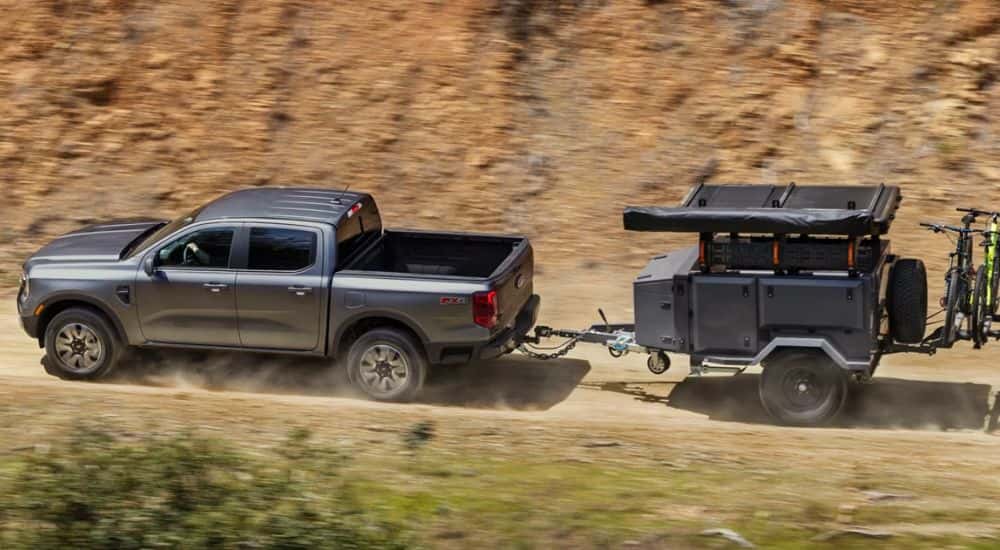
A midsize truck must still perform like a dedicated work truck when it is time to hitch up a trailer. Towing capacity remains one of the primary reasons buyers choose the Ranger over the Tacoma. The 2026 Ford Ranger offers a maximum towing capacity of 7,500 lbs when properly equipped. This rating applies consistently across multiple trims and powertrain configurations.
The 2026 Toyota Tacoma caps its maximum towing capacity at 6,500 lbs across the board. This 1,000-pound deficit limits the type of trailers you can safely pull behind the truck. A 6,500-lb limit might force you to leave heavier boats or dual-axle campers parked at home.
The extra towing capacity on the Ranger makes a significant difference during weekend getaways or intensive home improvement projects. You can load up a utility trailer with heavy building materials and still stay well within the vehicle’s structural limits. It strikes an ideal balance between daily drivability and heavy-duty mechanical capability.
Navigating With Trailer Assistance Technology
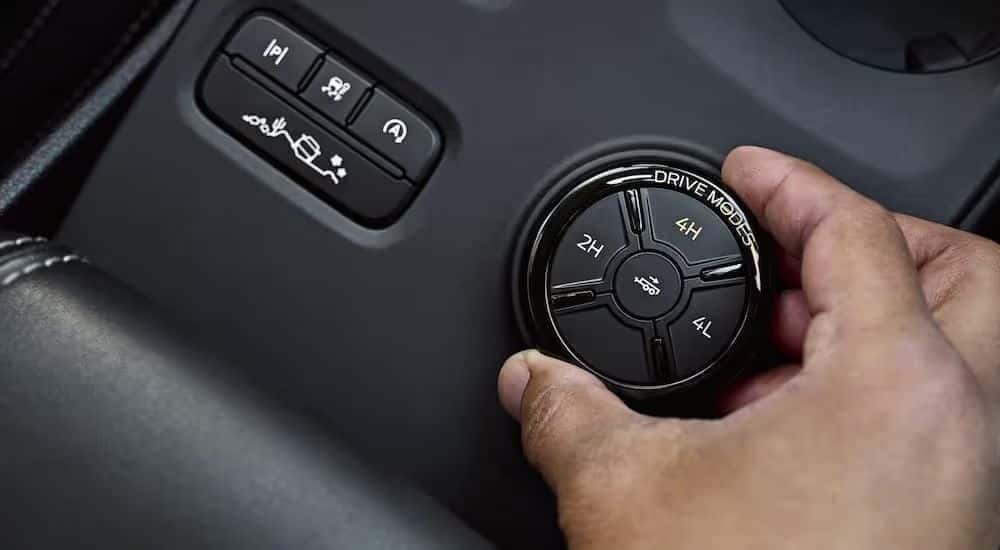
Backing up a trailer is famously one of the most frustrating tasks for modern truck owners. It requires counterintuitive steering and constant checking of both side mirrors to avoid a collision. Ford addresses this specific pain point with its available Pro Trailer Backup Assist system. This technology allows the driver to steer the trailer backward with a simple dashboard dial.
You simply turn the small knob in the direction you want the trailer’s rear to travel. The truck automatically calculates and executes the necessary steering wheel movements to guide the trailer into place. Toyota does not offer a comparable semi-autonomous backup dial on the current Tacoma platform. Tacoma drivers must rely entirely on standard reverse cameras and traditional steering wheel maneuvering.
The Ford system dramatically reduces the learning curve for novice trailer handlers attempting to park a camper for the first time. It also saves experienced drivers precious time and frustration when launching a boat at a crowded public ramp. This feature highlights the manufacturer’s commitment to making the truck easier to live with every day.
Breaking Down Bed Utility and Dimensions
Cargo beds are the defining physical feature of any pickup, and precise dimensions dictate how useful they truly are. Both trucks offer a five-foot bed on their most popular crew cab configurations. The 2026 Ford Ranger purposely widens the distance between the rear wheel wells compared to older generations. This subtle design change creates a much more functional cargo floor for hauling flat building materials.
The Ranger bed features just over 48 inches of usable space directly between the wheel arches. This specific measurement allows sheets of plywood or drywall to lie completely flat on the bed floor. The Tacoma falls short, at just over 44 inches, between the wheel arches inside its cargo box.
Technology Features
Interior technology heavily influences the daily driving experience and overall cabin feel for modern consumers. The 2026 Ford Ranger comes standard with a large 10-inch vertical infotainment touchscreen right on the base XL model. This vertical orientation mimics how we use our smartphones, making digital menus natural to navigate while driving.
The base 2026 Toyota Tacoma comes with an 8-inch horizontal touchscreen as standard equipment. While fully functional, it feels significantly smaller than the generous screen in the entry-level Ford cabin. You have to pay extra money for the Tacoma’s upgraded 14-inch screen on higher trim levels.
The vertical screen on the Ranger has another useful feature: map applications can run in the upper half while truck controls remain visible below. You do not have to exit your navigation route to adjust the cabin climate settings on the fly. This thoughtful interior layout keeps your eyes comfortably focused on the road ahead.
Final Impressions on the Midsize Truck Market
Choosing the right pickup requires looking past the marketing slogans and flashy dealership banners. You have to carefully analyze the mechanical specifications that directly impact how you plan to use the vehicle. The 2026 Ford Ranger consistently steps ahead in practical categories that define a true working truck. Its superior base engine power and significantly higher towing capacity set a high benchmark for the competition.
The 2026 Toyota Tacoma remains a highly capable machine with a strong historical reputation in the market. However, its lower base output and reduced towing limits might frustrate owners who demand maximum daily utility. The Ranger proves that you can have modern screens and interior comfort without sacrificing raw capability.

0 comment(s) so far on Head-to-Head: 2026 Ford Ranger vs 2026 Toyota Tacoma