


The Financial 411 of Car-Buying

There are a lot of things to consider when you embark on your search for used SUVs for sale. If you want to start your car-buying journey off on the right foot, looking beyond the sticker price and considering the full spectrum of costs associated with car ownership is essential. From monthly expenses to yearly costs, understanding the larger financial picture is crucial before entering into such a large commitment.
The financial implications of buying a vehicle even change depending on whether you are buying new or used. You might not think there are many differences, but a few years on an SUV can make quite a difference. However, the truth is that having a reliable mode of transportation is worth it for most, sometimes even meaning independence.
Initial Price
Obviously, the first cost anyone thinks of is the sticker price. By shopping used, you are already starting out ahead of the game by saving a little or even a lot of money right off the bat. For some people, buying their next vehicle is simple because they have the money to buy it outright, not messing with loans or down payments. However, for most, the reality is that financing is the only way to drive home in their latest dream car.
Depending on your preference or financial standing, you might choose to buy, or you might choose to lease. If you aren’t sure what the difference is, have no fear because we are here to break it down. Leasing involves getting a vehicle “on loan,” so to speak. Leasing a vehicle has become an increasingly popular option for many drivers, offering flexibility, affordability, and the opportunity to drive a new car every few years without the commitment of ownership. However, leasing isn’t without its drawbacks, and it’s essential to weigh the pros and cons carefully before deciding if it’s the right choice for you.
Unlike buying a car, where you own the vehicle outright and can keep it for as long as you’d like, leasing involves returning the vehicle to the leasing company at the end of the lease term. During the lease term, you make monthly payments based on the vehicle’s depreciation, plus interest and fees. The drawback to leasing is that the payments you make don’t go towards a vehicle you get to keep, so there is no reselling or building up equity.
If you choose that buying is the right option for you, then there are a few things you will need to consider. Will you be producing a down payment for the vehicle, and what monthly payments can you make? Some people don’t have the money for a down payment, but it is important to understand that without a down payment, your monthly payments will most likely be heftier. Depending on your financial situation, whether you have a co-signer and what your credit score is will dictate the type of loan you can get.
Where your credit score sits and what your down payment is will impact your monthly payment significantly, so keep this in mind when considering what vehicles you look at. Make sure to set a monthly budget that you can realistically stick to, adjusting the vehicles you are considering so that you stick to your budget. Make sure to factor in everything from interest rates to taxes and so on.
Insurance, Fuel, and Registration, Oh My!
Insurance on your vehicle is a non-negotiable expense, and you will likely have to show proof of insurance before driving off the lot. Insurance premiums can vary based on things like your age, your driving record, the type of vehicle you own, and even where you live, so it is important to do your research before you lease or buy. The good news is that used vehicles are often less to insure than new vehicles.
New vehicles immediately begin to lose value as soon as they are driven off the lot. It is an unfortunate reality for those who buy new but for those who are opting for used, it is a serious money saver. Since used vehicles are typically worth less than their newer counterparts, insurance agencies can charge their clients less to insure them because, ultimately, it will cost less to replace or repair them if anything happens. Now, let us not forget registration.
Depending on where you live, you will more than likely need to register your new vehicle, and when we say new, we mean new to you. Registration allows the powers that be to know who it belongs to in the event that it is stolen, involved in an accident, sold and so on. Registration fees vary, so check local costs, and if you plan to move after you get your vehicle, look into potential taxes that will need to be paid as well. Speaking of taxes…
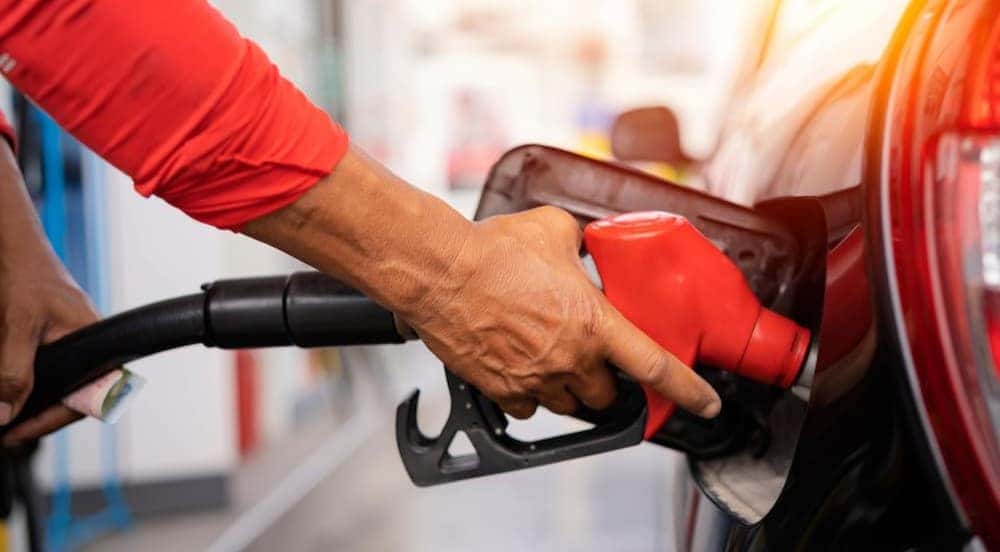
What is that saying about taxes and death? Oh, right, it is that they are both certain, but why hasn’t anyone added fuel costs to that popular phrase? Despite the ever-increasing popularity of hybrids and EVs, fuel is still necessary to run your vehicle. The only difference is that as we enter a more eco-conscious tomorrow, some fuel goes by the name gasoline, while other fuels go by the name electricity. Fuel costs and electricity costs can fluctuate based on current prices, driving habits, the type of vehicle you have, and the efficiency of your vehicle.
Scheduled Maintenance and Possible Repairs
In order to keep your vehicle running smoothly and for as long as possible, it is vital to keep up with recommended maintenance. When you think about traditional gas-powered vehicles or hybrid vehicles, the first maintenance item that might come to mind is the tried-and-true oil change. Manufacturers know how important oil changes are, which is why they tell you exactly how often you should have them done. Sticking to the recommended oil change schedule and going to a reputable service center is the first step to keeping your vehicle in your life for a long time.
During your oil change, it is common to have your tires rotated. Rotating and even balancing your tires will help them to wear evenly, which will extend their life. Improperly balanced tires or tires that are not rotated when they should be can go as far as becoming a danger to those in the vehicle and those on the road. Properly rotated and balanced tires will save your suspension from unnecessary wear and tear and can even improve your vehicle’s fuel efficiency.
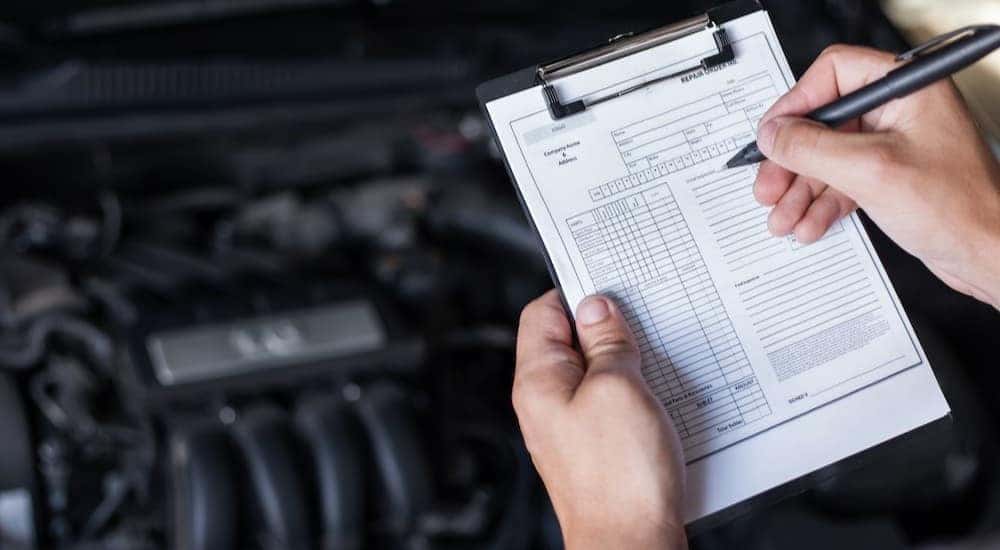
Whenever you have your vehicle’s oil changed, it is common practice for many places to perform a vehicle inspection. During this inspection, technicians can note if there is anything else that might need some attention. In-cabin air filters, for example, might need to be changed, fluids might need to be topped off, and maybe a belt needs replacing. From alignments to lightbulbs, many components on a vehicle might need some TLC, which is why keeping up on general maintenance can prevent you from having major repairs.
However, even a vehicle owner who is borderline militant with their maintenance can be faced with unforeseen repairs, which is why having a budget planned for repairs can prevent you from being off the road for longer than necessary. Whether it means putting money aside monthly or having money already set aside, planning for potential repairs will only do you good. Repairs are an unfortunate side effect of owning your own vehicle, one that many of us will face sooner or later.
The Big Financial Picture
Before you find a used vehicle that is just right for you, it is essential to consider all its potential costs. By understanding and budgeting for expenses such as loan or lease payments, insurance premiums, fuel expenses, maintenance and repairs, registration and taxes, and emergency funds, you can make a well-informed decision and ensure that your new vehicle fits comfortably within your financial capabilities. The last thing you want to do is buy a vehicle only to find out you can’t afford to drive it. Take the time to research, plan, and potentially save for these costs so that you can enjoy your “new to you” vehicle.

0 comment(s) so far on The Financial 411 of Car-Buying