



Thinking About Selling Your Car? Be Sure to Follow These Important Steps
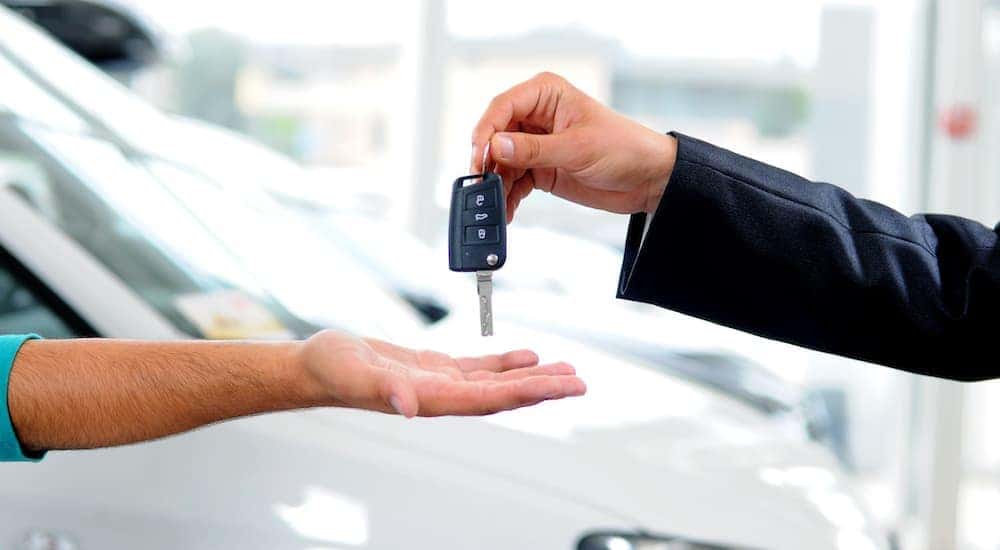
There comes a time in every driver’s life when we must choose between keeping their car or choosing a new one. There are plenty of reasons why you might want to sell your car, such as needing a different size or type of vehicle or wanting something a little more economical, luxurious, or performance-oriented. Whatever the reason, if you find yourself in a position where you’re thinking, “I need to sell my car,” then perhaps it’s time to consider selling your car to a dealership.
You’ve probably heard of using your vehicle as a trade-in at a dealership. In this scenario, a driver and dealership agree to apply the value of their current vehicle towards the purchase of another car. However, many people are discovering that selling their car to a dealership, regardless of whether they are purchasing a new vehicle from them, can be equally beneficial. If you are thinking of selling your vehicle, perhaps it’s time to consider selling your car to a dealership. Here’s how you can arrange for a dealership to buy your used vehicle.
Preparation Is Key
There are a few steps you should complete before you start the process of selling your car to a dealership. First, be sure your vehicle is in the best condition possible. While some dealerships are willing to purchase vehicles that are in less than stellar condition, it’s still a good idea to make your car presentable. You don’t necessarily have to completely detail your vehicle, but a thorough cleaning of both the interior and exterior is a good idea.
Make sure you’ve gathered all of the crumbs, receipts, and trash in between and under the seats, and make a note of any slight issues your car might have, such as a stain on the rear upholstery or the way the glove box tends to open itself when you slam on the brakes. These might not be deal breakers for the dealership, but acknowledging them can make the transaction smoother. Gather all of your vehicle’s paperwork, including title, maintenance records, and information regarding any modifications you’ve made to the car, like that high-end sound system you installed or the rear spoiler you added.
Do Your Research
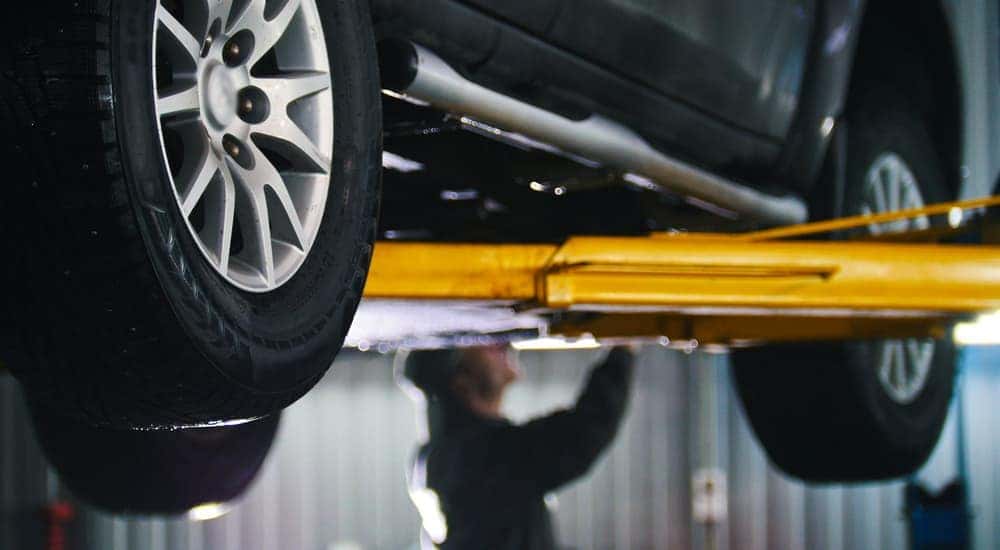
When selling your car to a dealership, it’s important to know what you have and what it’s worth. You may wish to have your vehicle inspected by a qualified technician before you start the process of selling it. A professional tech can help you assess the overall health of your vehicle, as well as provide any insight into minor things that could make a huge difference in the asking price. Most dealerships will give the vehicle a thorough inspection and perform routine maintenance like fluid changes or brake pad replacements, but they may factor these improvements into the price they offer you for the vehicle. Bringing in a vehicle that’s nearly ready to drive off the lot could increase your chances of selling it to the dealership, but make sure you don’t spend more on repairs than your vehicle’s worth.
This means checking a variety of resources to determine the current value of your vehicle. There are many online resources that can help you estimate the value of your current car, truck, or SUV. Many of these sites ask you to enter the VIN (vehicle identification number) stamped on the dashboard of your vehicle, then compare it to current sales prices for similar vehicles in your area.
Once you feel confident in your vehicle and what it is worth, it’s time to find a dealership that will purchase your vehicle. As you’re likely aware, not all dealerships are the same, as some focus on a particular brand of automobile, while others deal strictly in used cars. Take a look at a variety of dealerships near you before starting the process of selling your vehicle. That means checking out their websites and inventory and calling around to see if they are interested in purchasing your vehicle. Some dealerships will only purchase certain makes, models, and years of vehicles, so be sure to provide them with all the details about your vehicle.
You can offer your vehicle to as many dealerships as you want, so pay attention to details like location and demographics. An urban dealership may not be very interested in a heavy-duty pickup truck, just as a small town rural dealership may not have much use for a luxury sports car.
Let’s Make a Deal
Once you’ve found a few dealerships that may be interested in buying your car, it’s time to get some quotes. A dealer will review your documents, inspect the vehicle, and potentially take it for a test drive before making you an offer. Experts agree that getting as many offers on your vehicle as possible is a good idea to get the best available price, but don’t hesitate; the automotive market changes rapidly, so the offer may not be good for very long.
However, it’s also important to be realistic about your vehicle. Those nuances you discovered when preparing your vehicle for sale may not be a big deal to you, but the dealer will either have to fix them or disclose them to the next buyer. That means that what they can sell the car for will likely be lower than the price noted on the online value calculator tools.
Therefore, when considering offers, keep in mind that a dealer is not going to keep your car. They won’t be the ones who need to know the secret trick to keep your glove box from bursting open or the special jiggle that opens the tailgate. They will instead look at these as expenses they will incur in getting the vehicle ready for the sales floor.
On the other hand, selling your car to a dealer is likely the fastest and simplest way to sell it. You won’t have to advertise it in multiple places, field calls or emails from virtual tire-kickers, or arrange for strangers to see it in person. A dealer would provide you with numbers for an on-the-spot cash value, as well as what they would apply towards a new vehicle if you were to change your mind about trading it in.

Selling Your Car Doesn’t Have to Be a Headache
Many drivers choose to trade in their used vehicles for a new or new-to-them option because the process is simple; you simply let the dealership look at your car, and they make you an offer. However, selling your car to a dealership is just as simple, even if you aren’t interested in purchasing a vehicle from that dealer. Before you take your car to a dealership to be sold, it’s a good idea to do your research by finding out what your vehicle could be worth and addressing any minor issues. You’ll also want to ensure it’s ready to be inspected and driven by the dealer.
When you take your car into a dealership, explain that you are interested in selling your car so you can be connected to the right associate. Have all of your records organized and ready to go to answer any questions that might come up. Once you have received a few reasonable offers, it’s time to choose which dealership will buy your car. Make sure their offer is still in effect, and choose a time when you can sign over all the important legal documents. You’ll receive the payment in a timely manner; whether you use that towards a new vehicle or simply keep it, it’s up to you. If the idea of selling your car the old-fashioned way doesn’t appeal to you, consider selling your car to a dealership for a fast, easy transaction. At DePaula Ford, we’re always on the lookout for vehicles to add to our impressive selection of used vehicles. If you’re looking to sell your current vehicle, we welcome you to contact us by phone, email, or just come into our dealership and show us in person.

0 comment(s) so far on Thinking About Selling Your Car? Be Sure to Follow These Important Steps