



My Generation: Finding the Right Used Ford Explorer for You

The Explorer has served Ford well over the years. Introduced in 1991 as the company’s answer to the rising popularity of SUVs, the Explorer set a new standard in the category by delivering a family-friendly vehicle with an off-road pedigree. Along with the Jeep Cherokee and Chevy Blazer, the Explorer basically defined the SUV segment in the early days. The Explorer has not rested on its laurels in the years since, continuing to push the boundaries and reinvent itself on the way to becoming America’s all-time best-selling SUV. This popularity, combined with the brand’s rugged Built Ford Tough reputation, means there is no shortage of used Explorers to be found when shopping Ford pre-owned cars, making these time-tested SUVs the ideal choice for those seeking a reliable, spacious ride.
However, with so many makes and models to choose from, shopping for a used car can be an overwhelming experience. While you might find an alluring deal that seems too good to be true, it’s always tough to know just what you’re getting yourself into. Sure, we all know to stay away from some historically lemony clunkers and overreaching design fails – we’re looking at you, Plymouth Prowler – but not all used cars are created equal. There’s a reason some iterations have proven so popular with consumers, and when it comes to narrowing down your next vehicle, it’s always a safe bet to stick with a proven winner. Below we’ve compiled a guide to some recent generations of the Explorer, focusing on the design and performance changes that this popular SUV has seen over the years.
Exploring New Ground
With styling inspired by the popular Ford Ranger pickup, the original Explorer was designed with a wider body, allowing it to offer three-across rear seating and carve out a niche as a spacious alternative to the lower-riding (and less-glamorous) minivan. Ford’s commitment to innovation and improvement has seen the Explorer reinvent itself a number of times over the years. While a four-door SUV was a novelty in 1991, the market quickly caught up, introducing more power and luxury features as the segment grew. Ford responded in kind, introducing the second-generation Explorer in 1995.
The late 2000s saw consumers shy away from vehicles with higher gas consumption, leading to an overall decrease in sales for not only the Explorer, but the SUV segment as a whole. The Explorer came roaring back to the top of the sales charts within a few short years, however, lodging an impressive quarter-million units sold in 2015.
The third generation of the class-leading SUV was introduced in 2002, with subsequent redesigns taking place in 2006, 2011, and 2020. While there are some gems in the Explorer archives, we’re going to focus on models from the vehicle’s fourth, fifth and sixth generation, with attention largely focused on the latter two. Not only do models from 2011 on utilize the now ubiquitous unibody construction, but Explorers made within this period are also very common at used car dealerships throughout the country and hit the sweet spot between modern features and affordability.
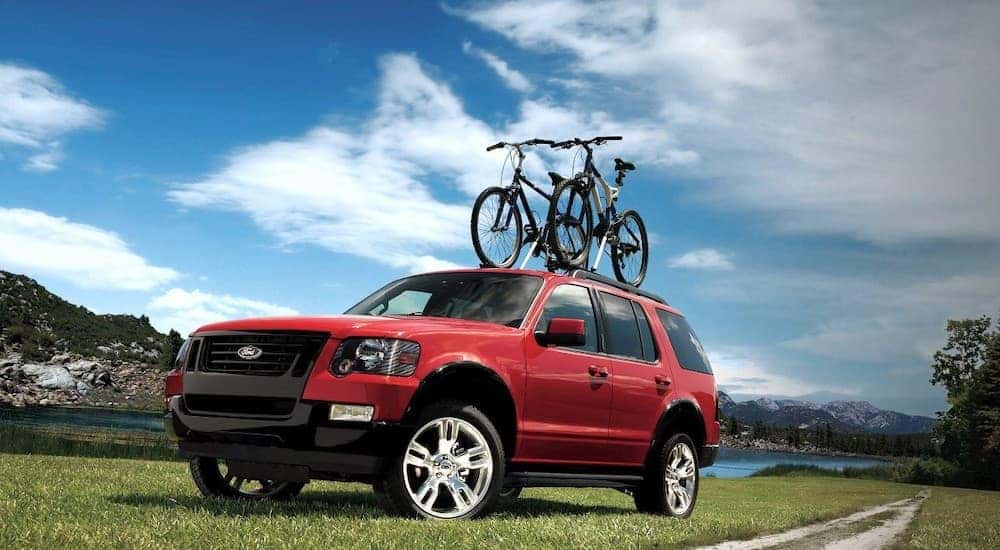
The Fourth Generation (2006-2010)
As the last generation of Explorers to opt for the body-on-frame construction technique, this era of Explorers is distinctively different from those made after 2010. This generation wasn’t a huge leap in design terms, but some important changes lie just below the surface. The fourth generation of the best-selling SUV featured a stiffer frame with the inclusion of through-the-frame-rail cross-members and a new front suspension.
The Explorer’s base engine option remained unchanged from the previous generation, with a 4.0-liter V6 offered standard. But those looking for a little extra horsepower now had the option of a 4.6-liter V8 modeled after the fifth-generation Ford Mustang. This iteration also saw the introduction of some important safety features, including canopy airbags and Roll Stability Control.
As the generation progressed, improvements largely came in the form of new tech and safety features. These improvements ranged from AUX stereo inputs and power running boards to side curtain airbags, trailer sway control, traffic flow monitoring, and the introduction of the Ford MyKey system in 2010. Designed to give parents greater control and oversight of their fledgling teen drivers, MyKey’s features include speed limits and stereo volume control, which, when combined with the low price and impressive slate of safety features, make a used fourth-generation Explorer an ideal starter vehicle for teen drivers.
Fifth Generation (2011-2019)
This generation truly represents the beginning of the Explorer’s modern era, providing a good framework from which to compare future models. The 2011 model was the first of the SUV’s fifth generation and marked a major departure for the brand.
In eschewing the then industry-standard body-on-frame approach to SUVs and switching over to a unibody design, the Explorer once again sought to redefine the segment and helped bring the crossover craze to today’s fever pitch. This approach improved not only handling but also fuel economy – an especially important factor in the lean years following the 2008 economic crash.
By responding to consumer demands, Ford was able to come out of the gate swinging with the new generation of Explorer, quickly racking up the praise as well as racking up sales. Ford Explorer sales jumped from 60,687 in 2010 to an incredible 135,704 in 2011 and just kept growing from there. Needless to say, this generation is easy to find on used car lots.
Later models within this generation saw the introduction of available driver assistance features such as lane-keeping assistance, lane-departure warning, and automatic high-beam headlights. The 2013 model years also saw the inclusion of the well-received Explorer Sport with its impressive performance. This is still a recommended model all these years later.
The Explorer’s Sport trim offered a high-power American alternative to expensive European performance SUVs. A sport-tuned suspension provided a stiffer, more responsive ride, and the twin-turbocharged V6 introduced some real muscle to the overall experience. Surprisingly, the performance upgrades didn’t come at the cost of overall efficiency, with gas mileage for the 2013 Explorer actually ranking well above most modern full-size SUVs at 18 mpg city and 26 mpg highway.
The Explorer received a mid-cycle refresh in 2016, introducing new infotainment features as well as some styling tweaks. The major change was the discontinuation of the base 2.0-liter turbo in favor of a 2.3-liter turbo capable of 280 horsepower and 310 pound-feet of torque. This upgrade brought some much-appreciated pep to the SUV, shaving a second off the Explorer’s 0-60 time in some tests.
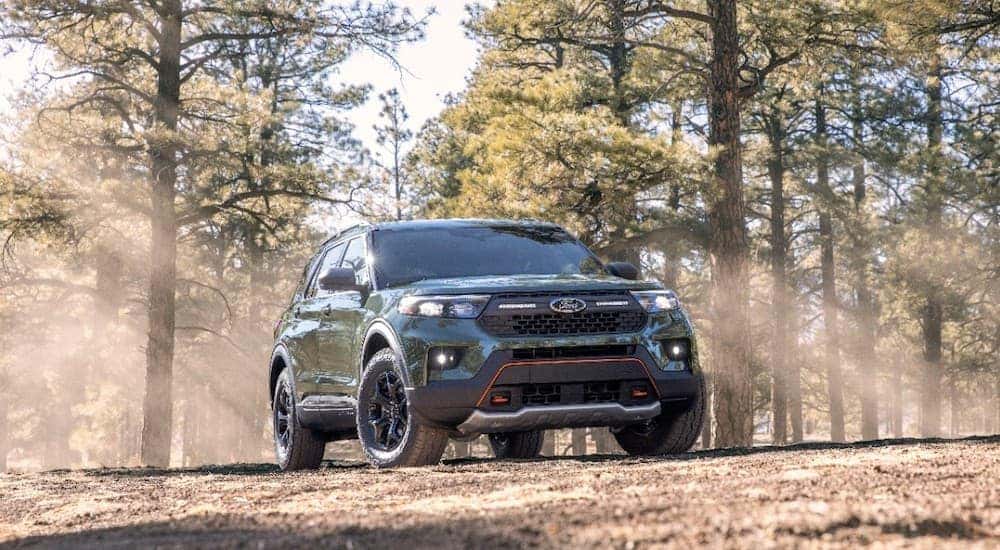
Sixth Generation (2020-present)
Getting into some more recent model years now, these Explorers are particularly well-suited for those searching for reliable used vehicles. The SUV’s rugged construction means slower overall depreciation, making Explorers produced in the last few years not only reliable vehicles for everyday driving but wise investments for those looking for maximum value when it comes time to trade it in. Given their relatively recent introduction, it might take a couple of years for these SUVs to start showing up on your local used car lot in large numbers, but there are some major changes worth noting here, so let’s dive in.
The most drastic change in the sixth generation of the Explorer is the switch from a front-wheel drive setup to a rear-wheel drive configuration. This change allowed for a wider footprint and less overhang, giving the Explorer improved off-road performance while promoting a spacious interior. The interior itself saw the inclusion of a number of new modern features as well, including a massive 12.3-inch digital instrument cluster and a 10.1-inch touchscreen with Ford’s SYNC 3 interface.
Those seeking a little more power now have the option of a 3.0-liter V6 capable of producing 365 horsepower and an ST model that does one better and churns out an impressive 400 horsepower. A hybrid option with a 3.3-liter V6 and electric motor brings a new eco-friendly variant for drivers without skimping on power, with the hybrid producing a combined 318 horsepower.
A Pre-Owned Explorer is Good to Go
With so many quality used Ford Explorers to choose from, drivers are sure to find what they’re looking for at DePaula Ford. This best-selling SUV is a proven winner in the segment, but as we’ve highlighted above, there are some subtle – and not so subtle – differences between each generation and individual model year. Our friendly and knowledgeable sales staff will walk you through these changes, answer any questions you might have, and make some recommendations along the way.
With our no-pressure sales approach, vast inventory, and fresh used vehicles rolling onto the lot all the time, we strive to provide our customers with the best possible car-buying experience. Whether you’re looking for an older used Explorer to turn into your new off-road toy, a safe, reliable vehicle for your teen driver featuring Ford’s MyKey technology, or an economical hybrid SUV, the team at Depaula Ford is here to ensure you end up with the perfect Explorer for your unique lifestyle.

0 comment(s) so far on My Generation: Finding the Right Used Ford Explorer for You